Established practice
Brand playbook
Earn participation. Don't chase attention.
Three decisions. Eight practical plays. Each grounded in the Lab's evidence.
Always on
Safety is part of the idea.
No covert persuasion. No behavioral targeting. No unnecessary child data. No child-only purchase path.
Create value
Give children something worth making, learning, joining, or returning to.

01Give them something to make or shape.
Value for the childA useful prompt, tool, material, or rule set that lets a child build, remix, solve, perform, or teach something in more than one valid way.Best fitUse this when the idea can leave a child with an artifact, a practiced skill, a meaningful choice, or a changed outcome. Participation should alter the experience, not decorate a finished campaign.GuardrailKeep the core making experience free of pay-to-win mechanicsExamples, sources, and safety checks
Formats to try
- Modular build challenge
- Remixable template or starter kit
Evidence to open
Safety check
- Keep the core making experience free of pay-to-win mechanics
- Do not require a public profile, face, voice, or real name to participate
02Build a repeatable format, not a one-off message.
Value for the childA dependable rhythm: they know what happens, what part is theirs, and what new variation makes the next installment worth joining.Best fitUse this when the audience can learn the premise quickly and return because the role, rhythm, or challenge stays recognizable while the content changes.GuardrailDisclose sponsorship clearly in every installmentExamples, sources, and safety checks
Formats to try
- Episodic challenge with a stable rule
- Weekly prompt with a finite season
Evidence to open
Safety check
- Disclose sponsorship clearly in every installment
- Avoid streaks, countdown pressure, and artificial scarcity for children
Fit the context
Work with the adults, rituals, places, and formats already shaping the moment.
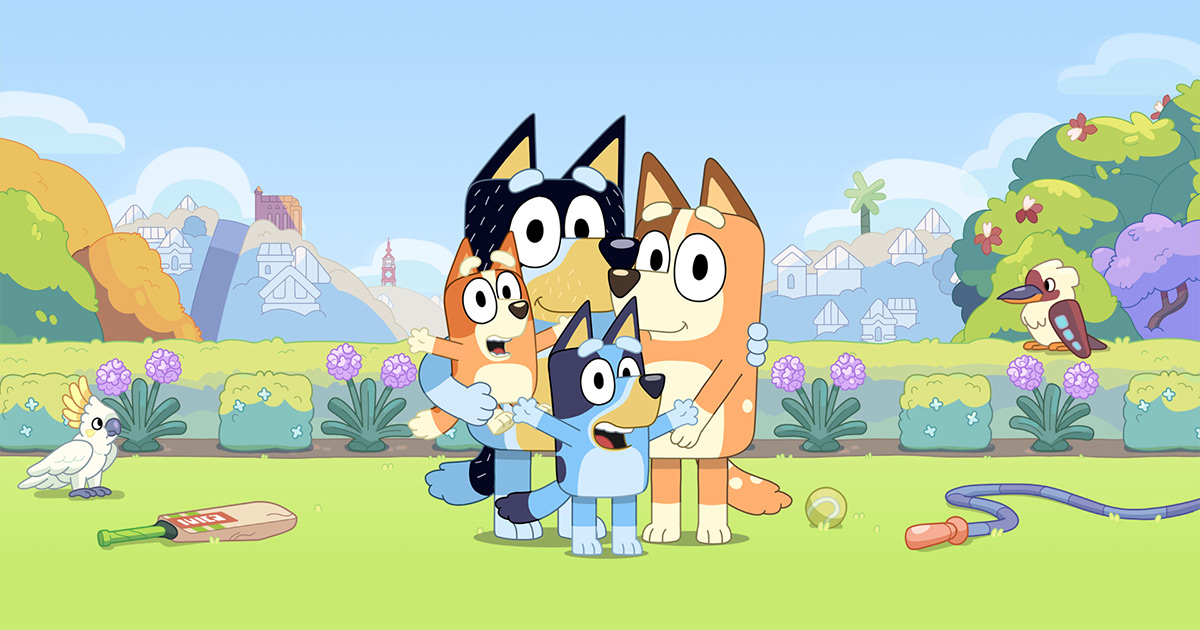
03Design for the child and the enabling adult.
Value for the childA child-facing promise they can understand: what they get to do, learn, watch, collect, or share, and what the limits are.Best fitUse this whenever a child can want the experience but an adult controls access, purchase, transport, account permission, time, or risk.GuardrailNever use a child's pressure on an adult as the conversion mechanismExamples, sources, and safety checks
Formats to try
- Child preview plus adult explainer
- Co-view or co-play guide
Evidence to open
Safety check
- Never use a child's pressure on an adult as the conversion mechanism
- Separate child-directed content from adult purchase and consent decisions
04Enter an existing ritual with useful value.
Value for the childA small, repeatable benefit inside the moment: a song that guides a transition, a prompt that starts play, a tool that reduces friction, or a trusted explanation.Best fitUse this when the idea can help with a routine that already exists - getting ready, winding down, traveling, practicing, gathering after school, or making sense of a topic.GuardrailDo not manufacture anxiety about missing a dayExamples, sources, and safety checks
Formats to try
- Three-minute routine prompt
- Co-viewed explanation
Evidence to open
Safety check
- Do not manufacture anxiety about missing a day
- Design a clear ending and an offline alternative
05Create a physical-digital loop.
Value for the childA reason to leave the feed and do something tangible: move, build, trade, observe, practice, meet, or bring an object back into the story.Best fitUse this when a digital prompt can lead to movement, making, collecting, visiting, or face-to-face play - and the physical activity can deepen the digital story without being tracked.GuardrailDo not collect or expose a child's precise locationExamples, sources, and safety checks
Formats to try
- Screen-to-play activity card
- Build offline, document privately
Evidence to open
Safety check
- Do not collect or expose a child's precise location
- Provide accessible, low-cost, and no-device participation routes
06Use creators for format fluency, not borrowed fame alone.
Value for the childThe creator makes the premise legible, demonstrates how to join, and contributes a format the audience already understands rather than delivering a detached endorsement.Best fitUse a creator when their way of teaching, reacting, building, hosting, or involving an audience makes the idea better - not when the plan only needs their follower count.GuardrailMake paid relationships unmistakable to children and adultsExamples, sources, and safety checks
Formats to try
- Creator-led tutorial
- Co-designed recurring challenge
Evidence to open
Safety check
- Make paid relationships unmistakable to children and adults
- Do not use parasocial trust to pressure purchase, disclosure, or contact
Apply guardrails
Make safety visible and measure the usefulness children actually receive.

07Make safety, privacy, and transparency visible product qualities.
Value for the childSimple language, predictable boundaries, private defaults, clear reporting and exit controls, and an explanation of what the system knows and why.Best fitAlways. Treat these as observable parts of the child and adult experience, especially when the idea includes accounts, chat, AI, personalization, purchases, location, public sharing, or user-generated content.GuardrailMinimize collection and prohibit behavioral targeting of childrenExamples, sources, and safety checks
Formats to try
- Plain-language safety walkthrough
- Just-in-time permission moment
Evidence to open
Safety check
- Minimize collection and prohibit behavioral targeting of children
- Do not sell, repurpose, or retain child data beyond the stated need
08Measure participation and usefulness, not reach alone.
Value for the childSuccess should show up in what a child could make, understand, practice, complete, or choose to return to - not only whether content crossed their screen.Best fitUse this as the measurement frame for every child-facing initiative. Define the useful action and the stop condition before choosing distribution metrics.GuardrailUse aggregate, age-banded measurement with the least data possibleExamples, sources, and safety checks
Formats to try
- Artifact or skill rubric
- Finite completion measure
Evidence to open
Fluency and contribution are visible inside shared worlds.Technology matters for what it enables, not for the hardware itself.Walton Family Foundation / Bodacious: The Creation Generation: Creation Gaming for Learning and DevelopmentPsychological Bulletin: Electronic Screen Use and Children's Socioemotional ProblemsSafety check
- Use aggregate, age-banded measurement with the least data possible
- Do not infer emotion, vulnerability, identity, or household status for optimization